
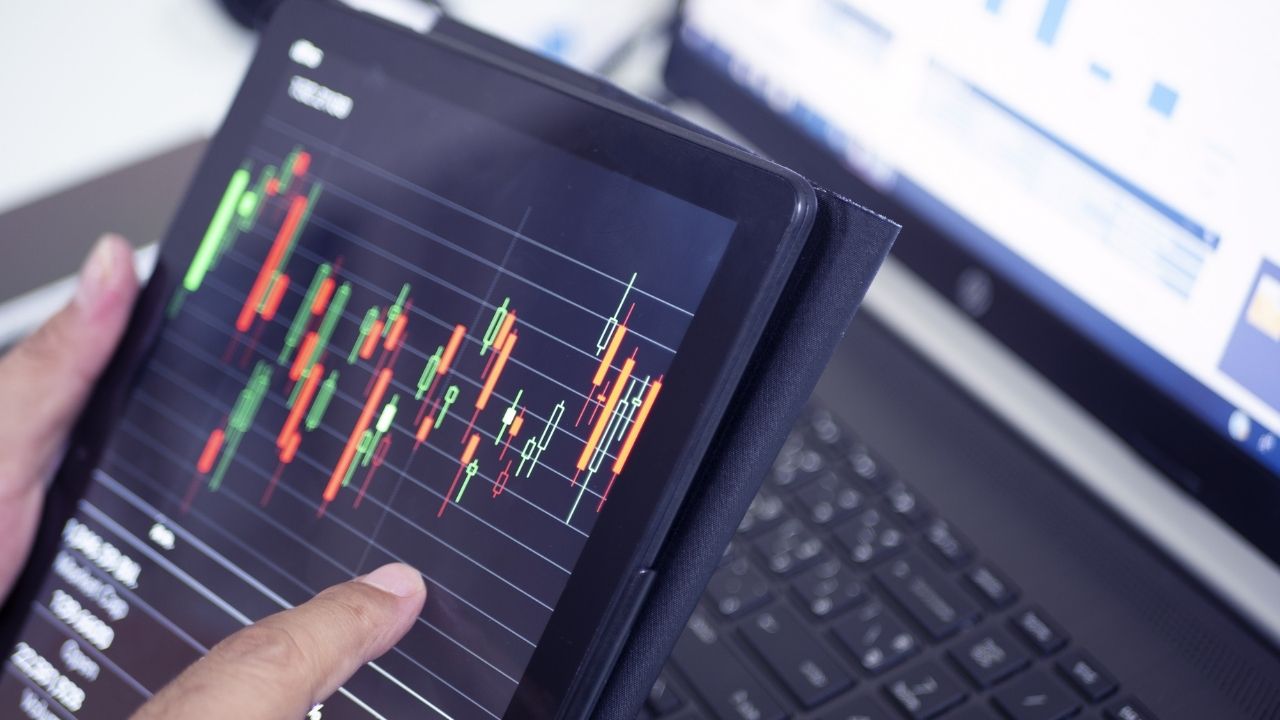
If you’re running multiple trading accounts side by side, you quickly notice your strategy doesn’t just live in your head it lives in your execution. Every manual step can introduce drift: a slightly different entry, a missed stop, an order placed a bit too late. That’s why “strategy as source code” is such a useful idea: one set of rules that produces the same behavior everywhere.
Tools like TradeSyncer.com fit that approach naturally. You use it as an infrastructure layer between your decisions and execution, so trades can be synchronized in real time across multiple accounts and brokers.
From strategy to execution: where inconsistency creeps in
On paper, your strategy can look tight but in practice, noise shows up in three places: timing, order details, and context. Timing is about milliseconds to seconds of difference, especially when the market moves fast. Order details include position size, order type, slippage, partial fills, and whether SL/TP is included or not. Context is about broker rules, symbol mapping, and margin differences.
The moment you execute the same strategy in multiple places, that noise compounds. You don’t get “a small difference” sometimes you end up with a completely different risk profile. That’s exactly why modern trading tooling shifts the focus from signals alone to consistent execution above all.
Real-time synchronization as an operational principle
Real-time synchronization isn’t about “faster is better,” but about simultaneity as a quality standard. You want to avoid account A already being in the trade while account B is still waiting or one account getting an adjustment the others miss. In volatile markets, that’s often the tipping point between stable performance and unnecessary drawdown.
Cloud-first trade copying: why the location of your engine matters
If your tooling depends on a single local machine, you’re building in fragility: internet drops, updates, latency caused by your own setup, or simply a PC that gives up. Cloud-first tooling moves that engine into an environment designed for continuity and scale.
That changes how you work: strategy execution becomes a service process instead of a manual routine. And that’s especially useful if you trade with multiple brokers, because you don’t have to repeat the same actions per platform or per account over and over again.
Multi-broker and multi-account: one logic, multiple endpoints
More and more traders spread accounts across brokers for access, fee structures, or execution quality. The catch: that spread instantly makes your workflow more complex. The core of trade copying is simple: one source of truth (your strategy) and multiple endpoints (your accounts) that follow the same intent using sizing and risk-management rules you define upfront.
Updates and changelogs: a practical reliability check
With trading software, release notes, product updates, and changelogs are more than “news.” They show how actively a platform is being developed and how seriously it treats stability.
For you, the key point is this: updates directly impact execution quality. Think performance, incident reports, status updates, and security features like 2FA and privacy controls. If your strategy is your source code, then these updates determine how reliably that code runs in real life.
Strategy as source code: how to do it professionally
If you take this concept seriously, you treat your strategy as reproducible rules with controlled execution. You spend less energy repeating tasks and more energy specifying: which orders get copied, how you scale risk, what happens during disconnects, and how you handle differences between brokers.
The win isn’t a promise of “better trades,” but fewer unplanned variations between accounts. And in trading, less noise is often exactly what you need to make your process truly mature.