
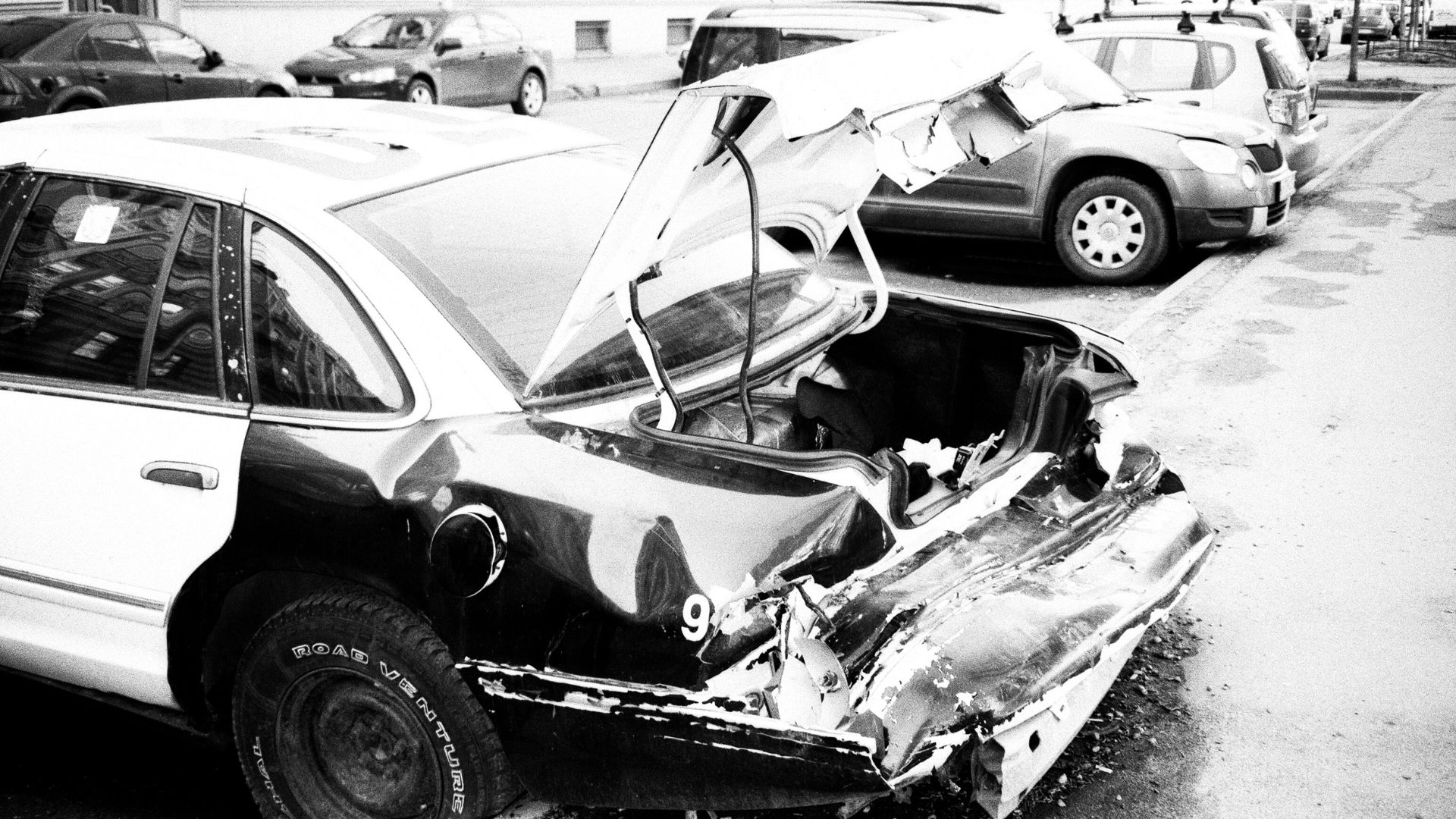
Traditionally, rear-end car accidents have often been considered open-and-shut cases, with the driver in the rear presumed to be at fault. However, many people are discovering that while it may be the starting point for rear-end crash investigations, it may not always be the whole story.
“Insurers and defense lawyers are increasingly using comparative negligence arguments as a way to reduce or shift liability,” explains Steven Jensen, a personal injury attorney with Parker & McConkie in Utah. These arguments can be especially powerful in cases of abrupt stops, lane changes, or heavy traffic situations.
This shift in approach matters because rear-end collisions are not necessarily full-recovery cases anymore. Facts can change how fault is assigned. Utah’s modified comparative fault system can reduce an injured party’s recovery if they are found to share some of the fault for the collision. If that share reaches the legal cutoff, compensation could be barred completely.
The rear driver is always at fault: The old approach to rear-end crashes
At one time, rear-end crashes were some of the clearest cases in which to find absolute fault. To many, assigning fault followed a simple logic: drivers are tasked with maintaining a safe following distance at all times — something everyone is taught in driver’s education class. The assumption is then made that if a driver rear-ends someone, they did not give themselves enough time to react to a sudden stop, a lane change, or a traffic backup.
“This classic assumption can be a good starting point in most rear-end collision cases,” says Jensen, “especially if we’re talking about stop-and-go traffic or collisions at traffic lights.”
However, presumption is not the same as an open-and-shut case verdict. There are many ways in which the driver in front could have contributed to the crash, whether by making an unsafe lane change or by purposefully brake-checking the person behind them in a road-rage situation.
“The question in these situations is no longer ‘Who hit whom?’ but ‘What happened with each driver before impact?’” explains Jensen.
This move from the old approach considers more factors and is a more comprehensive way of looking at collisions.
Determining fault: The growth of the comparative fault rule
In Utah, the comparative fault rule is changing the face of rear-end collision cases. By state law, a person can only recover damages from a crash if they are less than 50% at fault. If it is found that fault is shared, their recovery may be drastically reduced or even eliminated.
This rule gives insurers a strong incentive to seek out conduct that indicates shared fault in order to reduce the amount they may have to pay out. For a rear-end claim, there may be a reasonable argument that the front driver braked too quickly or was driving erratically prior to the crash. These arguments can split the blame, instead of placing it entirely on the following driver.
This approach reflects a broader trend in how collision claims are being handled. “We’re paying closer attention to the facts surrounding the case, not just the point of impact or who hit whom,” says Jensen.
With this new rule, evidence matters more than ever. Along with more people using dashcams to record their driving, traffic cams, witness statements, physical damage patterns, and phone records can all contribute to the reconstruction of the accident, helping lawyers and insurers assign fault more accurately.
The new rule also makes post-crash documentation significant. Photos, videos, witness names, medical records, and repair estimates can make the difference between a cut-and-dry liability claim and one that is contested under Utah’s comparative negligence law.
The freeway factor in Utah
In Utah, collisions that happen on the freeway are considered more complex than a minor fender-bender at a stoplight in town. These freeway collisions often involve more than a simple “following too closely” mistake.
“Freeways have heavy congestion, sudden stops, aggressive drivers, construction zones, and distractions that can all contribute to rear-end crashes,” Jensen explains.
Freeway conditions give insurers more room to argue the comparative negligence rule. Merging behavior, a sudden slowdown, or limited visibility can all play a role in shared fault. The result can be a more heavily contested fault analysis that many drivers, who are more familiar with the old rear-end rule, may not expect.
A path to shared responsibility and fair compensation
While Utah still considers rear-driver fault a starting point in rear-end collisions, the state no longer views that as the be-all and end-all of accident arguments.
“It’s no longer as legally simple as it may have once seemed,” says Jensen.
While the trailing driver may still bear the bulk of the blame in these accident scenarios, the state’s comparative fault system creates a pathway to shared responsibility for insurance companies and accident lawyers.
“The new rule makes evidence, documentation, timing, and roadway conditions central to the story,” says Jensen.
For drivers, the safest assumption is that the percentage of fault may always be contested in a crash, even if one was rear-ended. To protect themselves, drivers must stay abreast of the law to reach a favorable outcome.