
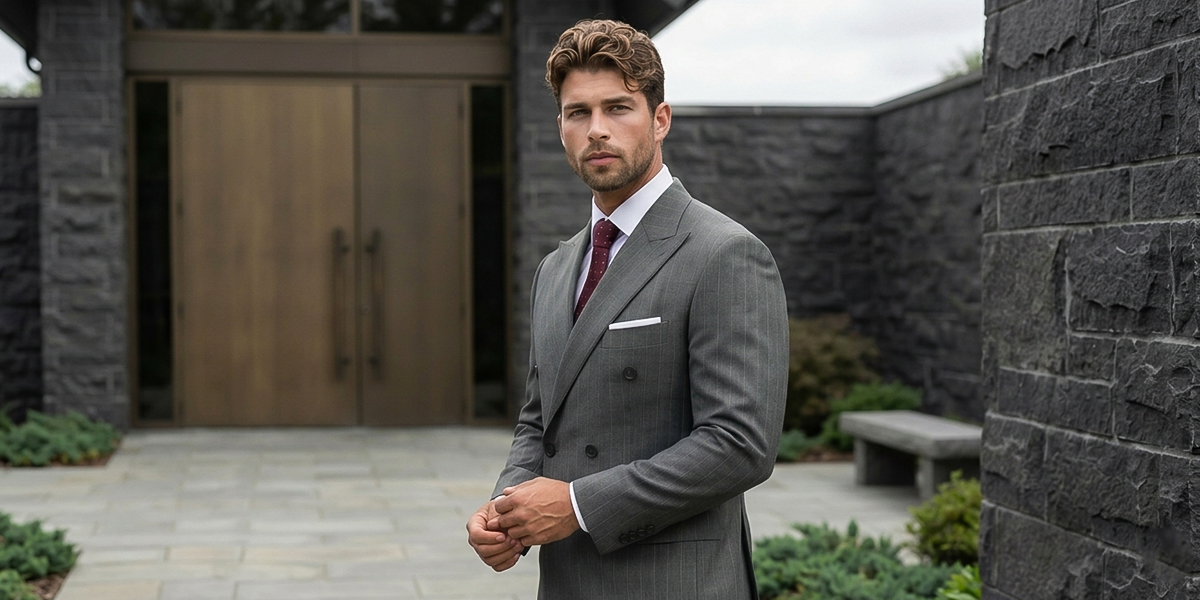
What is the difference between a “good enough” suit and a “sharp” suit? According to Andy Fine, it comes down to one thing: tailoring.
The founder of SARTORO has seen many men wondering if suit tailoring is worth the cost. He also observed how men struggled with poor fit and unclear pricing. With his company, he eliminates all these concerns through a bespoke experience at affordable pricing.
The Value of Fit and the Problem with Traditional Tailoring
Fit defines how a suit performs. It affects posture, comfort, and confidence. However, most suits are not made for individual body shapes.
Off-the-rack options often need adjustments, and each fix adds cost. Basic alterations may seem small at first. But they add up. A full set of changes can reach $150 to $300. More complex work costs even more.
Fit carries weight beyond style. However, it can be an unpredictable process. The issue is not tailoring itself. It is how many buyers do not know the final cost until the work is done.
Why Tailoring Costs Rise Quickly
Tailoring costs depend on several factors. Fabric is one of the biggest drivers. Fine wool and delicate blends require careful handling. Patterned fabrics demand alignment at every seam. Construction also matters. A structured jacket needs more effort to adjust than a simple design. Shoulder changes are especially expensive.
Location plays a role, too. Tailors in major cities charge more. Overhead costs and demand push prices higher.
Then there is the type of suit. Designer pieces require precision. A poorly fitted suit, even if expensive, does not hold value.
How SARTORO Reframes Price vs Precision
In 2020, Andy Fine launched his custom-wear brand SARTORO, which aimed to provide the perfect fit on the first go. Fine believed bespoke experiences should be accessible. The Digital Tailor creates a custom size without traditional measuring tools, and the customer does not have to pay for the company’s brick-and-mortar.
This reduces the need for major alterations and also makes pricing more predictable. In this way, customers are investing in precision from the beginning.
There is no need to visit multiple tailors or guess about adjustment costs. Since the brand operates online and overhead is reduced, pricing can compete with traditional retail, where similar quality often costs more.
When Tailoring Is Worth the Cost
Tailoring makes sense in specific situations. It depends on how the suit will be used.
For professional settings, fit plays a direct role in perception. Clean lines and proper structure create a stronger presence. For events like weddings, tailoring ensures the suit photographs well. For long-term use, tailoring extends the life of a garment. A well-fitted suit stays relevant longer.
However, constant alterations can become expensive. This is where custom options offer better value over time.
Smart Ways to Control Tailoring Costs
Even with better systems, buyers should still understand how to manage costs.
Start with fabric choices. Simple materials are easier to alter. Avoid complex patterns if you want to reduce labor costs. Classic colors are also versatile and remain in style, serving a purpose across multiple seasons and occasions. Furthermore, focus on essential adjustments. Sleeve length, trouser break, and jacket fit matter most. “A well-fitting, simply tailored suit consistently looks refined and contemporary,” says Fine.
Finally, consider custom-made options. They often reduce the need for major changes later. SARTORO’s approach shifts effort to the beginning of the process, where it has the most impact.
Another way to manage costs is by exploring suit rental costs and what they include, though this option often comes with limited fit and customization.
Conclusion
Suit tailoring is worth the cost when it improves fit in a meaningful way. It changes how a suit looks and feels. It also affects how the wearer is perceived.
The challenge has always been cost control. Traditional tailoring often comes with unclear pricing and repeated expenses.
Andy Fine and SARTORO address this by focusing on precision from the start. The Digital Tailor ensures the fit is tailored exactly for the wearer, enhancing the overall look. Their approach reduces the need for heavy alterations and makes pricing easier to understand.
The decision comes down to value. A well-fitted suit performs better and lasts longer. With a supportive process, the cost becomes easier to justify.