
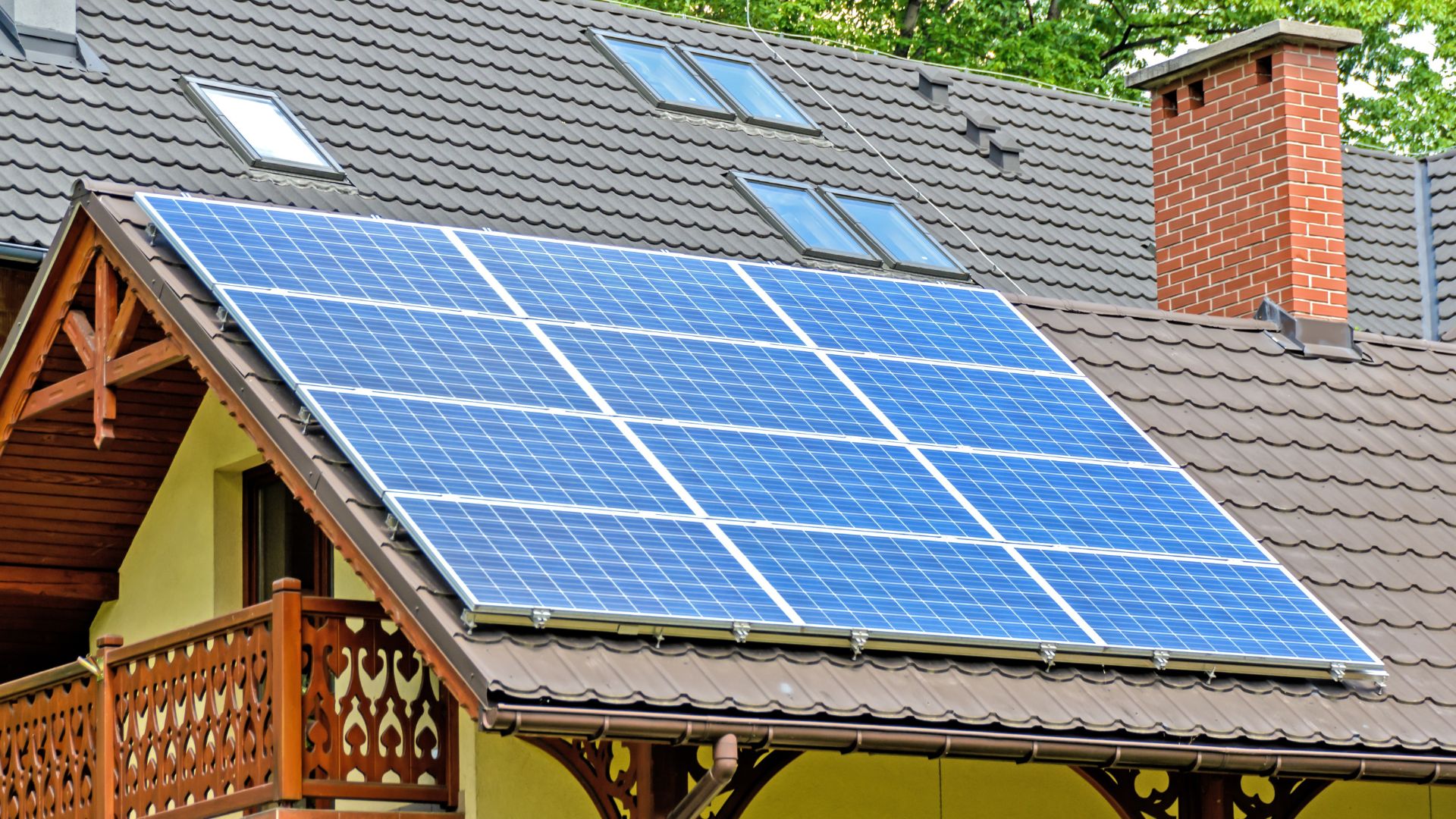
For the past decade, solar energy has been a viable solution for homeowners hoping to cut down on living expenses. Making the switch to solar likely involved purchasing and installing solar panels, which meant an upfront investment, but the elimination of monthly energy bills combined with tax credits made it manageable for many homeowners. And those who couldn’t afford to purchase or lease panels could access solar through power purchase agreements (PPAs).
But the renewable energy landscape is changing in ways that are making it less economical to go off grid. In fact, many looking at solar panel systems in 2026 are experiencing a “cost shock” that is forcing them to think twice about signing a solar contract.
“With solar tax credits disappearing and interest rates going up and staying up, solar installation has definitely become more costly than it was a few years ago,” says Josie Garcia, Chief Operating Officer and Vice President of Client Services of Solar Equity Solutions. “And consumers who think a solar lease or PPA is going to help them get savings while avoiding upfront costs of installation often discover later that those deals can be just as expensive.”
Solar Equity Solutions helps homeowners cancel unfair solar contracts, protect their rights, and restore financial freedom with trusted legal support. Their team consists of attorneys and solar industry insiders who work together to help homeowners get cancellations, refunds, settlements, and long-term financial protection. Garcia oversees operations at Solar Equity Solutions, ensuring the company provides a structured, client-first system that delivers clarity, professionalism, and measurable results in a highly sensitive and legally nuanced industry.
“Consumers who are considering solar panel installation or signing a long-term contract on a PPA should expect to see high prices,” Garcia says. “If they don’t, then they may be missing hidden costs in a lease agreement or PPA contract.”
When tax credits expired, the price of solar panels increased significantly
Until recently, the Residential Clean Energy Credit offered by the federal government provided an opportunity to cut 30% off the price of a solar energy system. While the system wasn’t a rebate reducing upfront capital costs, it allowed those installing a residential solar system to subtract the credited amount from their income tax bill. When the credit expired in December 2025, it left those buying solar with greater expenses not only due to the cost of installation but also financing fees.
“The clean energy credit was a big part of the sales pitch installers would make,” Garcia says. “When it expired, the sticker price on installing a system definitely went up. Unfortunately, unscrupulous solar sales companies may continue to promise such savings. Companies that suggest the December 2025 deadline was extended or that similar savings can be obtained through other federal grants should be avoided.”
Changes in solar energy purchasing rules have reduced the value of solar power systems
The change in net metering agreements offered by local utility companies is another reason solar systems no longer provide the savings they once did. In the past, homeowners could get a 1-to-1 exchange on the excess energy they produced through energy buyback programs. That arrangement, which allowed consumers to trade energy made during sunny hours for energy needed at night, made using solar energy practical and economical.
Now, however, many utility companies are shifting to a net billing arrangement, which means the price consumers pay for solar energy during the day is lower than what they are charged at night. With net billing, the promise of “free energy” is no longer attainable unless systems include storage batteries.
“Understanding the implications of the shift from net metering to net billing is important for those considering solar contracts,” Garcia says. “Inflating savings and fabricating utility bill estimates are common sales tactics. As 1-to-1 net metering becomes a thing of the past, consumers should see promises of excess energy production offsetting your grid costs as a red flag.”
Power purchase agreements can increase energy costs with hidden fees
With the loss of tax credits and rising interest rates driving up the cost of solar systems, power purchase agreements can seem like the most cost-effective option for solar savings. PPAs allow homeowners to pay a fixed rate for the solar energy produced by a solar system installed at their home without requiring them to purchase or lease the system.
The savings gained through a PPA can seem straightforward to determine. It simply requires comparing the PPA energy rate to what the local utility company offers. But experts warn that a key factor often in play with PPAs can lead to serious “cost shock.”
“Consumers often overlook the fact that PPAs include escalator clauses that drive up the monthly payment over time,” Garcia explains. “These clauses, which are often part of the fine print of a solar contract, can increase bills by 1% to 3% per year over the length of the contract. With long-term contracts, that can end up doubling the initial monthly amount, which means a homeowner will ultimately be paying more for solar than they will for energy from their local utility company.”
The savings potential solar energy offers continues to be tempting for consumers, especially with energy costs at an all-time high. But with the variety of changes in the solar landscape, consumers need to make sure they have an up-to-date understanding of factors involved, including increased upfront costs, escalating PPA fees, and the restructuring of buyback programs.