
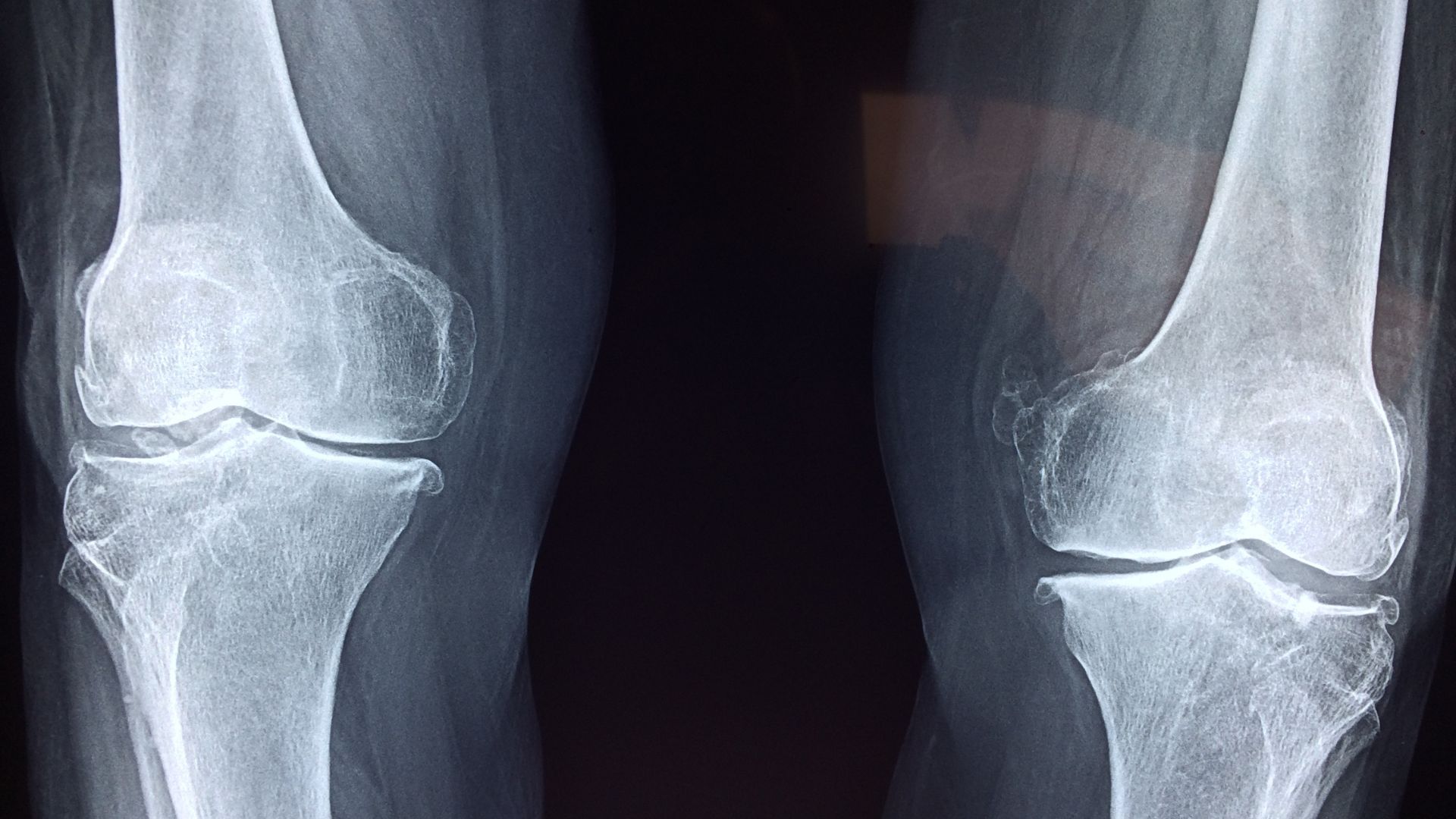
Arthritis remains one of the leading causes of chronic pain and disability, impacting daily routines, work productivity, and overall well-being for many. Early and accurate diagnosis can dramatically change the course of treatment, offering hope for restored function and symptom management.
According to Dr. Jatin Patel, in-house labs and imaging services have become increasingly important in achieving timely diagnosis, reducing wait times, and streamlining the path from symptom onset to treatment initiation. While there are financial considerations, the long-term advantages for both patients and practices are significant, and ongoing advancements in diagnostics continue to shape the future of arthritis care.
Understanding the Need for Timely Arthritis Diagnosis
Arthritis affects millions of Americans, leading to joint pain, swelling, and mobility issues. Early diagnosis is crucial for managing symptoms and slowing the progression, as a delayed identification can result in irreversible joint damage. Missed opportunities for early intervention may also increase healthcare costs in the long run.
Doctors often see patients whose joint pain has persisted for months before a clear diagnosis is made. When arthritis is detected early, treatment options can be more effective, allowing individuals to maintain daily activities and work.
What In-House Labs and Imaging Services Offer
In-house diagnostic services allow healthcare providers to perform essential tests and scans right within their own facilities. These services commonly include blood tests, X-rays, ultrasounds, and MRIs, all of which play a key role in identifying and monitoring arthritis. Having everything under one roof means healthcare teams can collaborate closely, ensuring seamless communication about patient findings.
Rather than sending patients to outside locations, in-house labs and imaging departments deliver results more quickly and efficiently. This streamlined approach often leads to a more coordinated experience, minimizing disruptions and confusion during the diagnostic process. It also enables physicians to make decisions faster and tailor care plans with greater precision.
Speed and Convenience for Patients
Receiving lab results or imaging studies on the same day can make all the difference for someone anxious about unexplained joint pain. Patients avoid the hassle of booking multiple appointments at separate facilities and waiting days or weeks for results. Completing all necessary tests in a single visit can ease both the emotional stress and logistical challenges. Swift diagnosis means patients can focus on recovery rather than navigating a complex healthcare system.
A patient who visits a clinic with in-house diagnostics may walk out with a clear treatment plan in hand, rather than enduring long periods of uncertainty. Quick access to answers allows for faster relief, whether that means starting medication, physical therapy, or further specialized care.
Diagnostic Accuracy and Quality Control
An accurate arthritis diagnosis relies on precise lab and imaging results. In-house facilities are overseen directly by the clinic’s medical team, promoting strict quality control and rapid corrections if issues arise. This direct supervision helps reduce miscommunications and ensures samples are handled promptly, supporting more reliable outcomes.
Ongoing monitoring and adherence to regulatory standards further enhance the reliability of these services. When healthcare professionals are closely involved in each step, patients benefit from greater confidence in their diagnosis and follow-up care.
Cost and Operational Considerations
Operating in-house labs and imaging centers can present initial financial challenges for healthcare practices, yet these investments may lower long-term costs by reducing reliance on external providers. Patients sometimes experience fewer out-of-pocket expenses due to bundled services or reduced travel requirements.
Healthcare facilities often find that integrating diagnostics streamlines workflow and minimizes administrative overhead. Over time, these efficiencies can lead to better resource allocation and a more sustainable care model.
Advancements and Impact on Care Delivery
Recent years have seen strides in diagnostic technology, including the integration of artificial intelligence and automation into image analysis. These innovations help detect subtle joint changes that might be missed during manual reviews, leading to earlier interventions.
The result is a smoother, more responsive care experience. Patients benefit from tailored treatment plans that reflect the latest findings, while healthcare teams enjoy improved efficiency and the confidence to provide higher-quality care. As technology continues to develop, the potential for even greater accuracy and patient outcomes grows, transforming the landscape of arthritis management.