
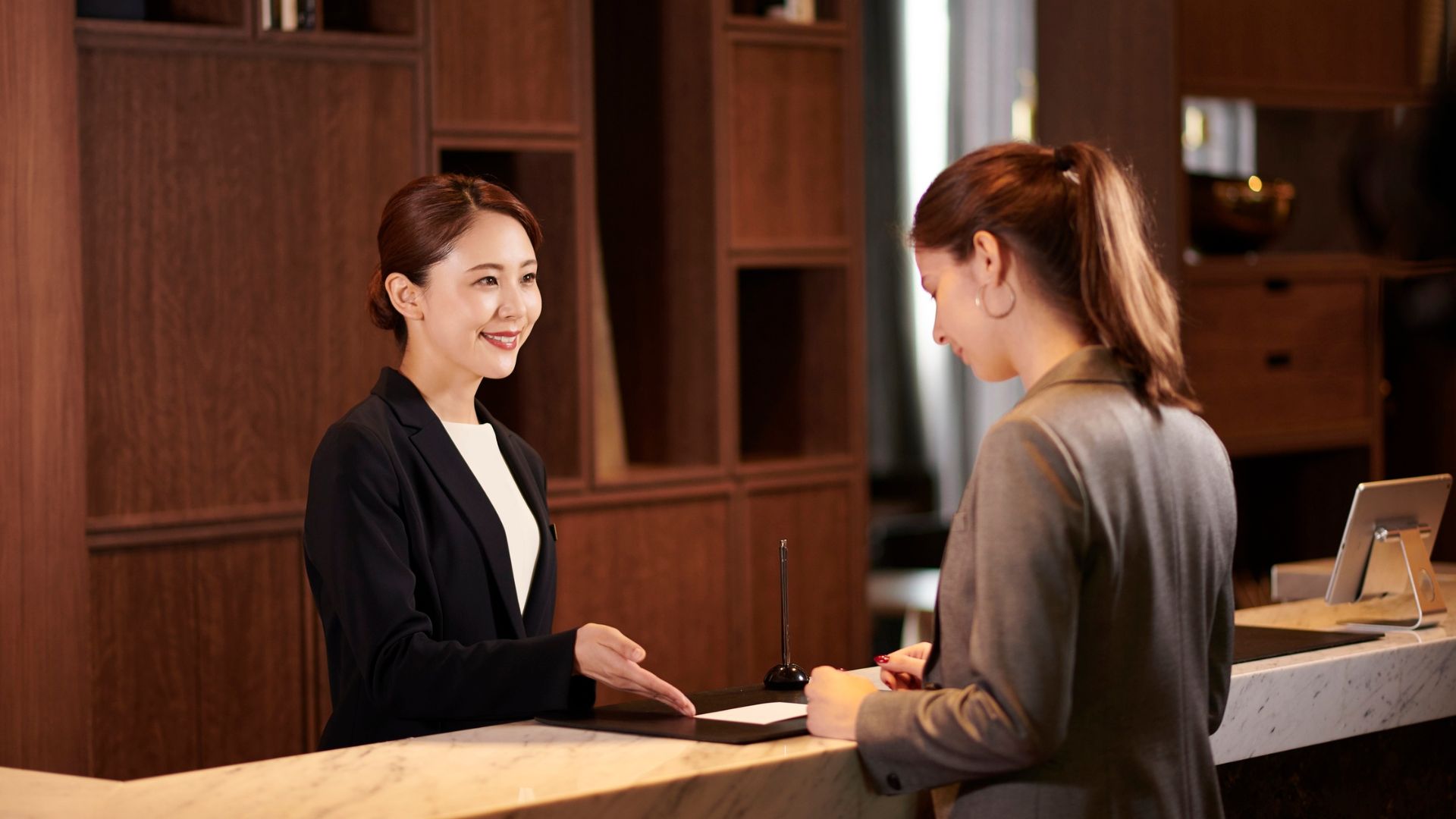
As Asad Malik notes, the guest experience plays a central role in shaping the success of hospitality businesses. It reflects how customers feel during their stay or visit and directly influences whether they choose to return or recommend the service to others. A smooth, welcoming experience can turn a one-time guest into a loyal customer.
Hotels and restaurants that prioritize guest satisfaction often see higher online ratings, stronger word of mouth, and improved occupancy or reservation rates. A well-run boutique hotel that responds quickly to guest needs and maintains clean, comfortable rooms is more likely to build a solid reputation than a larger chain that overlooks these details. Staff morale and guest reviews often improve in environments that value experience over volume, reinforcing long-term brand loyalty.
Across the industry, businesses are recognizing that a positive guest experience is not just about amenities—it’s about consistency, care, and attention to the overall journey. This shift has made service quality a key differentiator in a competitive market.
Core Elements That Shape Memorable Guest Interactions
The guest experience is built on a combination of factors. A warm greeting at check-in, a spotless room, and quick service responses all contribute to how a guest perceives their stay. Staff who are well-trained and genuinely attentive often make the strongest impression, creating a sense of comfort that guests remember long after their visit.
In many modern hospitality settings, technology has become a valuable asset in streamlining services. Mobile check-ins, digital room keys, and instant messaging with the front desk can eliminate delays and reduce friction. A small inn that offers these conveniences alongside personal touches—like remembering a guest’s name or preferences—often stands out. When technology is used to enhance rather than replace human connection, it can elevate the entire guest experience.
Using Guest Feedback to Guide Operational Improvements
Guest feedback serves as a roadmap for refining services and operations. Whether it’s a handwritten comment left at the front desk or a detailed online review, each piece of input provides valuable insight. Many businesses now rely on digital surveys and review platforms to gather this information in real time.
After analyzing recurring patterns in feedback, management teams can prioritize changes that truly matter to guests. A coastal resort that noticed frequent mentions of slow restaurant service adjusted staffing levels during peak hours and retrained employees on time management. The improvement was reflected in subsequent reviews. Monitoring social media mentions has also provided real-time signals of guest sentiment, enabling quicker interventions.
Strategies for Achieving Service Excellence
Delivering exceptional service begins with a team that is both knowledgeable and empowered. Continuous training not only sharpens skills but also builds staff confidence, enabling them to meet guest needs with professionalism and care. When employees feel invested in, their commitment to service naturally rises.
Leadership plays a pivotal role in shaping service culture. In properties where managers are visible and involved, morale tends to be higher, and service is more consistent. A general manager who regularly checks in with guests and staff alike helps bridge the gap between strategy and execution.
Data also has a growing role in guiding service improvements. By tracking guest satisfaction scores, response times, and repeat visit rates, businesses can identify what’s working and where adjustments are needed. This analytical approach supports a guest-centered culture where service is not left to chance.
Adapting to Guest Expectations
Hospitality is not a static industry. Guest preferences shift with cultural trends, technology, and generational values. Today’s travelers often seek more personalized experiences, whether that means dietary accommodations, sustainable practices, or seamless digital interactions during their stay. Businesses that lag behind on these fronts risk losing relevance in a guest-centric market.
Balancing innovation with a human touch has become essential. A hotel might offer app-based room controls and contactless check-ins, yet still ensure a warm welcome from a concierge. This blend of convenience and personal care creates a modern, yet emotionally resonant experience.