
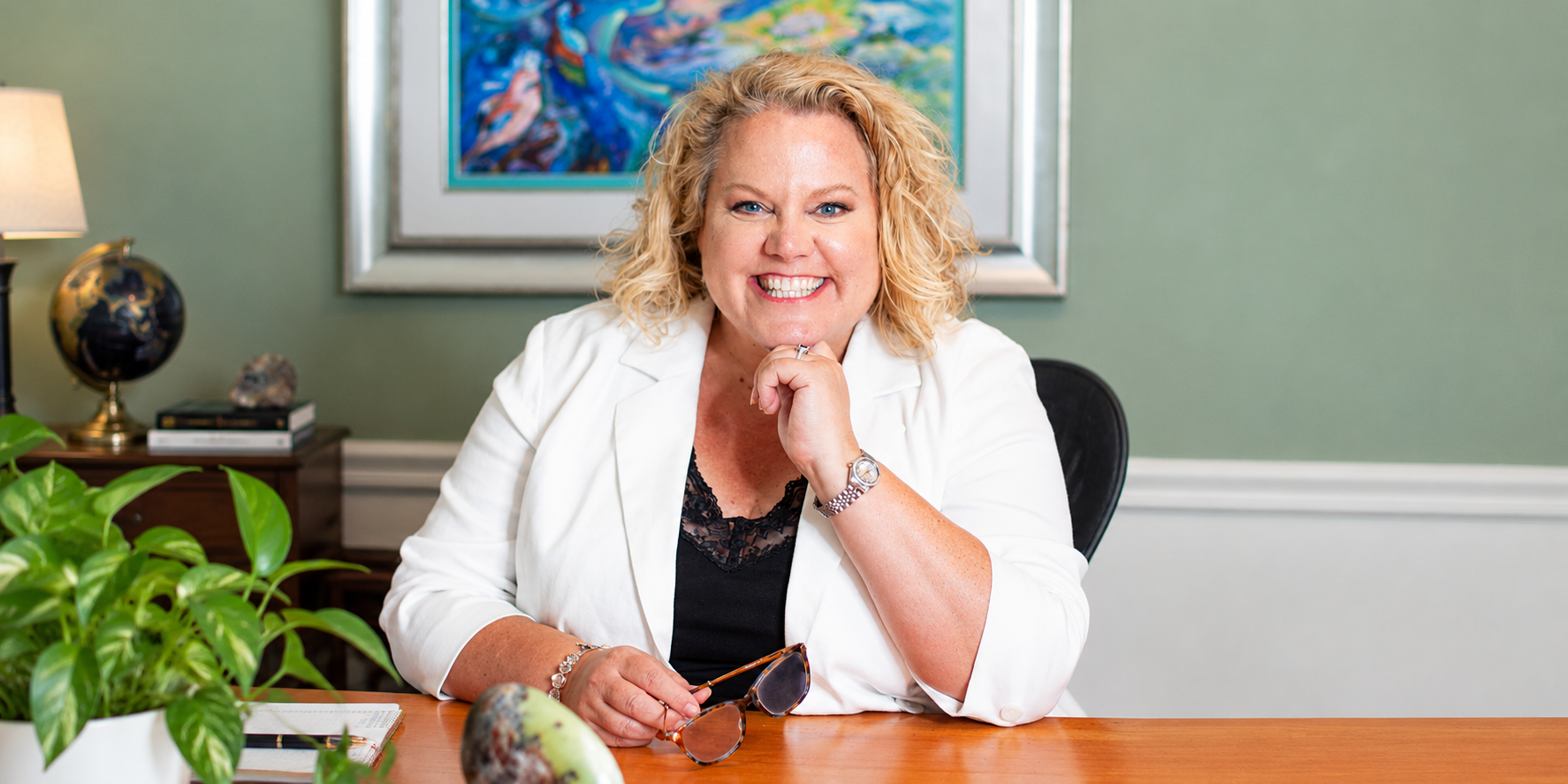
Kim Woods, Founder of KW Enterprises, asks every business owner out there: Do you Know, Like, and Trust yourself ®. The question may sound like a simple, harmless query, but in reality, it holds bigger consequences for business owners.
Kim Woods and the Case for Trusting Your Own Judgment
Self-trust in leadership can not be treated as a side issue. Every choice a founder makes when they are at a critical point in their journey, with unclear instructions and unplanned direction, is shaped by their self-trust.
Kim Woods takes this idea with the phrase, Know → Like → Trust, and turns it inward. This is a challenge for business owners. Before deciding the next significant course of action, you need to know how much confidence you hold in the person making the decision. This method produces better results than focusing on how customers view your business.
Growth Can Make Founders Second-Guess Themselves
For owners, there’s a pool of open-access advice on hiring, expanding, pricing, branding, etc. That advice is immensely helpful for emerging leaders, but it can also create more noise. Every expert has a different opinion on how to deal with every issue.
Kim Woods’ point is not that outside advice holds no value. The answer is not to reject others’ expertise, but to decide which of that advice belongs in your business. Self-trust helps you consider all evidence and make your final decision that fits your goals and values.
The Know → Like → Trust Shift
Usually, the Know, Like, and Trust (KLT) model is used to get customers to feel comfortable with a brand. However, Kim Woods applies that concept to the founders of the brand instead. She asks, “How are you going to get anyone else to KLT you if you don’t KLT yourself?” She encourages one to start with knowing oneself first, before expecting others to do the same.
The first step to achieving this is to Know. Be aware of your strengths, of what matters to you, and what kind of business you’re striving to build.
The second step is to Like. This part roots from self-acceptance. A leader who is always comparing their personality, pace, or business with someone else’s can struggle, spending years chasing a version of success that does not fit.
The last step is to Trust. This comes last because it has to be tested. It appears when a founder makes a decision and stands their ground with it, long enough to see the outcome.
Kim Woods connects this process with intuition, arguing that inner knowing can become another significant source of information for leaders.
Data Has a Place. So Does the Gut.
Kim Woods brings a different lens to decision-making. With 25+ years in business and a background in corporate strategy, she combines analytical thinking with astrology and intuition.
In Forbes, Kim Woods has discussed intuition as a useful tool when business decisions become uncertain. The useful question is not “Should I trust the data or my gut?” It is “What is each one telling me that the other cannot?” Data shows what is happening; intuition can point to what deserves a closer look.
The Cost of Building Someone Else’s Business
Another side of self-trust that founders often miss is slowly deserting their original plan as they build success. None of the decisions they make are necessarily wrong, but the problem arises when they stop asking whether a particular decision makes sense for their business.
A strategy could seem sensible on paper and still be a poor fit for the company behind it.
This is why Kim Woods’ leadership programs focus on helping established entrepreneurs grow while trusting their own way of leading. That is a different measure of growth: having the business be successful while making sure it doesn’t become unrecognizable to the person running it.
What Self-Trust Looks Like in Practice
People confuse self-trust with being certain. They are two different concepts. Self-trust means you make the decision, deal with the outcome, and learn to improve, while certainty means you’re sure what the outcome will be. This distinction is important when you don’t have complete information, which is a normalcy in growing businesses.
Kim Woods focuses on the internal side of businesses. Clear choices can be made when a founder is aware of their priorities. Someone who accepts their strengths and limits, and trusts their judgment, is better at choosing the right opportunities and can act without everyone else’s approval.
This does not guarantee the removal of risk, but it is still a calculated risk that provides a clearer basis for deciding what to repeat, change, or leave.
A Business That Still Feels Like Yours
What can remain steady is the founder’s ability to decide what fits.
Kim Woods’ self-trust philosophy brings the conversation back to the point of Knowing yourself and Liking yourself enough to stop comparing your path against everyone else’s. A founder needs to Trust themselves enough to make the call.
When more advice only creates more uncertainty, the better question may be: not “What is everyone else doing?” but “What do I already know about my business that I am not listening to?”
Connect with Kim Woods on LinkedIn if you are a founder or business leader looking for a different approach to self-trust, intuitive decision-making, and sustainable business growth.