
Buying a rural property is very different from buying a house in town. A beautiful view and a large number of acres may catch attention, but these features are not enough.
A productive ranch, a working farm, or a vineyard depends on many details that cannot always be found in an online listing. These include water rights, road access, zoning rules, soil quality, existing improvements, and nearby land uses. All these influence long-term value, and missing one detail can change the entire investment.
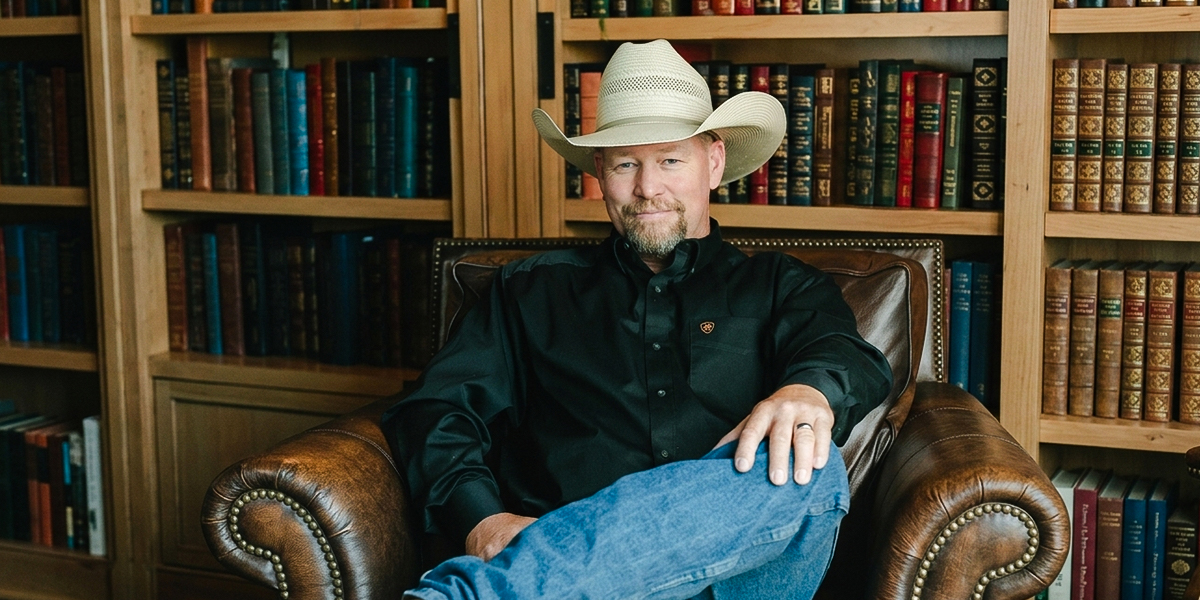
Which is why Matthew Cook believes local knowledge wins, especially in rural property transactions. He is a part of Cascade Hasson Sotheby’s International Realty’s Farm, Ranch & Vineyard Division.
He believes that rural property should be understood from the ground up, not from behind a desk. The firm’s advisors include people who actively live and work in agricultural communities, bringing firsthand knowledge to complex transactions across Oregon and Southwest Washington.
Helping Buyers and Sellers Understand Rural Property
Rural transactions involve unique questions. A buyer may need to understand irrigation systems, grazing capacity, vineyard potential, conservation requirements, or future development restrictions before making an offer.
Cascade Hasson Sotheby’s International Realty built its Farm, Ranch & Vineyard Division with a focus on these challenges. The team serves more than 100,000 square miles across Oregon and Southwest Washington. Their services include:
- Farm, ranch, vineyard, and rural property sales.
- Property valuation based on land characteristics and intended use.
- Guidance on zoning, water considerations, and land use.
- Buyer representation for agricultural and lifestyle properties.
- Targeted marketing for qualified rural buyers.
- Confidential listing programs for owners who want privacy.
The company also creates marketing plans designed specifically for rural assets. It matches listings with buyers whose goals align with the property’s purpose.
Why Local Knowledge Reduces Costly Mistakes
Many rural properties look similar at first glance. Two ranches may have comparable acreage, yet offer very different opportunities, such as dependable water rights or seasonal access issues. One vineyard site may have favorable growing conditions. Another may require major infrastructure improvements before production begins.
Research from the U.S. Department of Agriculture shows that farmland represents one of the largest categories of agricultural wealth in the United States. Land value depends on many economic and physical factors, making accurate local evaluation essential.
Academic research also shows that farmland markets become harder to evaluate in areas with fewer transactions. In those markets, local knowledge becomes even more valuable because pricing information is less abundant than in residential neighborhoods.
Working Land Requires a Different Marketing Strategy
Selling rural property also involves more than professional photography.
A working ranch may appeal to livestock operators. A vineyard may interest wine producers. Lifestyle buyers often search for recreation, privacy, or family retreats. Investors may focus on long-term land appreciation.
Each audience evaluates property through a different lens.
Cascade Hasson Sotheby’s International Realty develops marketing around those differences. The company combines specialized rural marketing with the international exposure of the Sotheby’s International Realty network. This gives sellers access to qualified buyers inside Oregon and beyond state lines.
The company also offers confidential listing options for owners who prefer a private sales process, something that can be important for working farms, family ranches, and legacy properties.
Relationships Matter in Rural Communities
Many rural transactions depend on information gained through personal relationships.
Local contractors, neighboring landowners, irrigation districts, county planning offices, and agricultural professionals often provide important context during a purchase or sale.
That community knowledge helps answer practical questions early in the process. It can clarify access, identify nearby land activity, explain local regulations, or provide insight into future opportunities for the property.
This type of knowledge develops over years of working within rural communities. It cannot be replaced by property databases alone.
Looking Ahead for Oregon’s Rural Property Market
Interest in farms, ranches, vineyards, and rural lifestyle properties has long attracted buyers seeking space, agricultural opportunities, and long-term land ownership. Local expertise remains one of the strongest advantages available in this scenario.
Matthew Cook’s focus extends beyond acreage and listing prices. He looks at how land performs, how people use it, and what buyers need to understand before making a decision.
Technology has improved access to property information, but it has not replaced firsthand experience. In rural real estate, local knowledge answers the questions that maps and listing photos don’t. That remains one of the most important factors behind successful property transactions.