
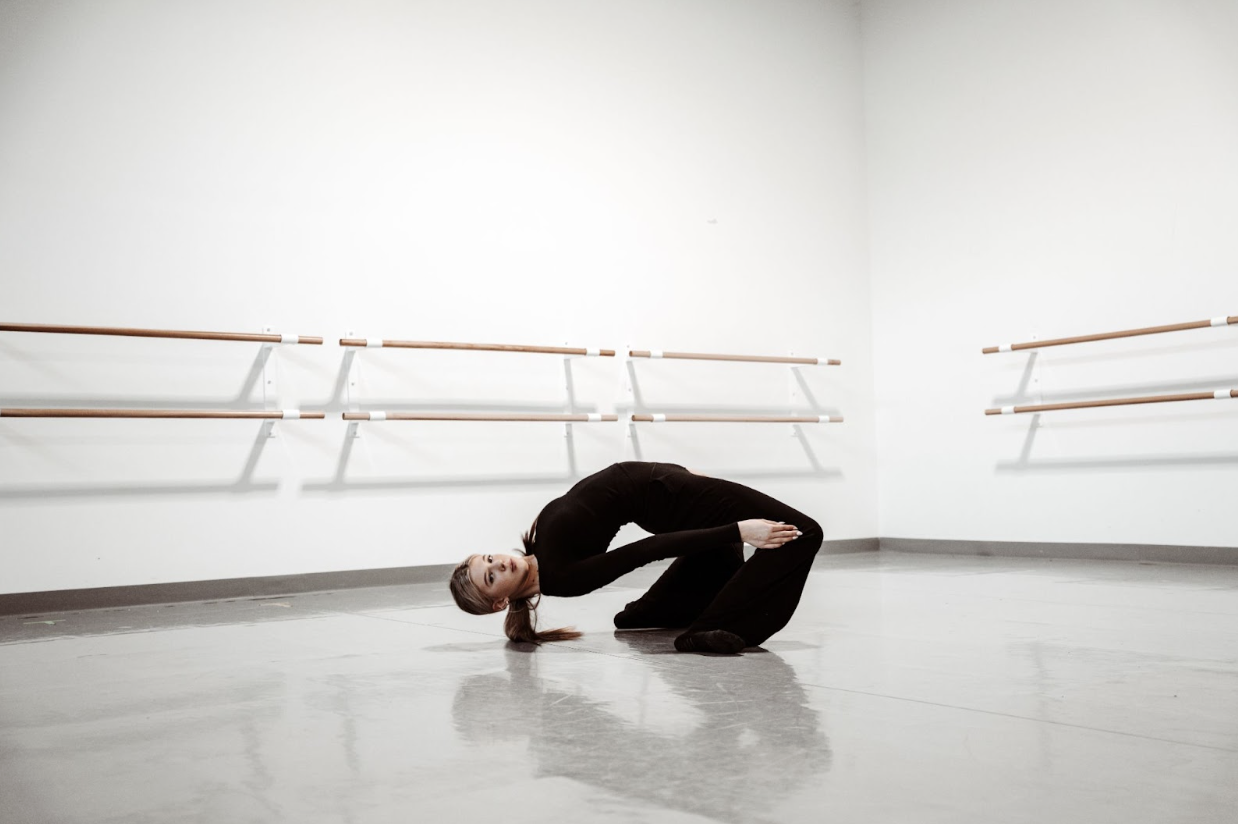
A familiar cornerstone of the Roanoke, VA arts community is entering a bold new era. Star City School of Ballet, a haven for dance education since 1986, will be expanding its physical space as well as its offerings, becoming the Star City Center for the Arts, a space for multidisciplinary creative work.
For director Ana Elisa Martinez De la Peña, the shift is a natural evolution to meet the growing needs of the Roanoke area creative community. “We have worked hard to create a place where emerging and established artists can access the resources, environment, and community necessary to develop their craft,” says De la Peña.
A legacy of learning and growing
Star City School of Ballet has long been recognized in the Roanoke area for its precision and professional dance instruction. Alumni of the school have carried forward the lessons learned in dance classes, including discipline, responsibility, and confidence.
A move from Salem to Roanoke in 2019 signaled more than a change in location and a physical upgrade of the space; it signaled a broader vision for the school’s future. Now, from its location on Industry Avenue in the heart of the city, Star City is ready to redefine what a community arts scene can be.
Under De la Peña’s direction, Star City is embracing a new, expanded identity. “We will be reaching beyond ballet instruction to welcome artists of all disciplines,” she explains. “We want to create an inclusive space that supports the arts from every angle.”
Expanding the scope of performing arts
As Star City becomes a full-fledged Center for the Arts, the hope is that it will become a gathering place for Roanoke’s artistic community. The first step is to expand the dance styles offered at the school by adding instruction in contemporary, lyrical, jazz, and hip-hop. The school will also begin offering non-dance creative classes such as stagecraft and costume design.
“Our vision is that of a full-sized studio that not only hosts dance classes but also smaller performances and showcases,” says De la Peña. “We want everyone to feel that they have a home here.”
With the expanded scope comes greater diversification for the Center. “It’s a response to the area’s growing appetite for access to the arts,” says De la Peña.
By opening its doors to nonprofits, collaborators, and creatives, Star City aims to be a nurturing influence for the next generation of dancers, actors, designers, fine artists, and musicians in the area. Starting with non-profits, the team at Star City hopes to build the Star City Center for the Arts into a hub for expression and connection — an incubator for local culture.
“We are reimagining how the arts can uplift and sustain a city,” De la Peña explains.
Life skills through art
One of Star City’s central tenets is its educational philosophy that dance and arts instruction can teach more than just movement or creative skills. Over the years, students of the ballet school have learned teamwork, discipline, and how to accept constructive feedback — skills they have taken into adulthood and, often, the working world.
The expanded boutique model at Star City allows instructors to see each student or creative who comes through the door as an individual. The Center holds tight to its goal of guiding creative people towards their personal goals, whether that goal is learning a new dance skill or holding an exhibition of their art.
Star City students have always been encouraged to prioritize rest, balance, and self-care as they study their craft. They are priorities that De la Peña and her team still deem crucial as they expand.
“How our students present themselves and handle challenges, including how they prioritize rest, not only makes them hireable but also sets the stage for a more balanced life,” De la Peña explains.
A broader mission with Star City Center for the Arts
Shifting and expanding the focus for a legacy institution like Star City can be both exciting and challenging, but for De la Peña and her team, the transition feels natural. The school’s long-standing dedication to excellence, creativity, and community remains unchanged; what is changing is who can participate in and benefit from that dedication to the creative growth of the Roanoke area.
“The arts connect us,” says De la Peña. “We believe creativity lives in everyone. By becoming the Star City Center for the Arts, we are expanding that sense of belonging.”
As 2026 unfolds, the Roanoke community will bear witness not just to a new Center for the Arts but to the continuation of the legacy — one that began with ballet instruction but now embraces the full spectrum of creative expression.